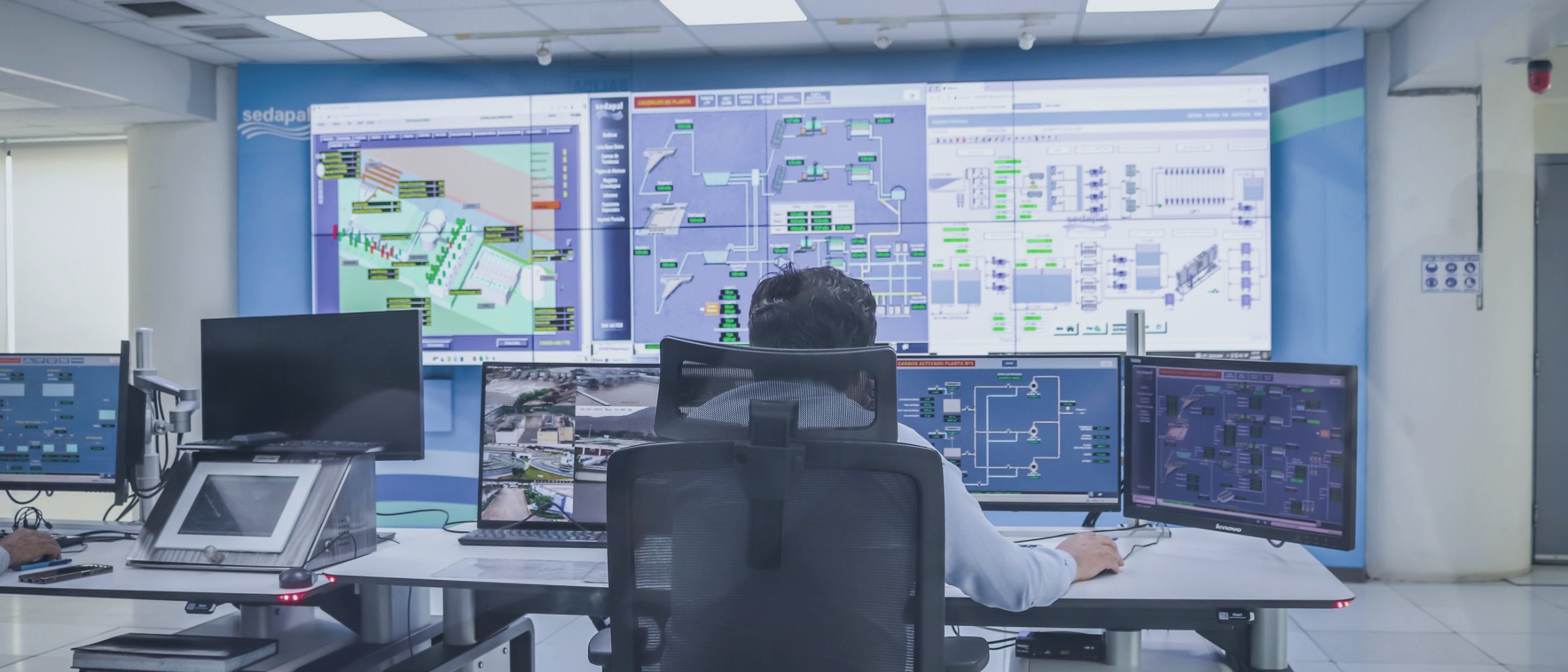
SuperStream is where an institution decides how payments flow. It sits above the acquiring, switching, and issuing layer, applies the institution's routing rules to every transaction, and gives one operational view of what happens across every downstream system.
It runs on top of existing infrastructure or alongside other MonTechSys planes. Either way, this is the layer institutional teams work from day to day.
Route transactions across acquirers, processors, and rails on rules the institution defines. Cost, latency, success rate, and regulatory constraint are all part of the same routing logic, adjustable and observable at runtime.
Reconciliation happens as transactions do, not overnight in a batch job. Institutions see one operational view of state across every downstream system.
Route decisions, fallback logic, retry behaviour, and exception handling are written as declarative policy. Teams change them without redeploying. Every change is logged.
Every routing decision, state transition, and exception surfaces in real time. Institutional teams get the visibility they would otherwise build custom integrations to reach.
SuperStream lives on the platform's shared substrate. Every routing decision, downstream call, and reconciliation event lands in the same event model that every other MonTechSys plane uses. That is where SuperStream separates from typical orchestration overlays.
Overlays stitch external systems together with adapters and rely on hope for the reconciliation to hold up. SuperStream routes and reconciles inside one data model instead.
One operational view of what happens across every downstream system.
Most institutions have built or bought some version of orchestration. Custom middleware. A vendor overlay product. A legacy switch stretched well beyond its original purpose. Each solves part of the problem. None of them gives the institution one operational truth across payment flow.
SuperStream replaces those layers with one architected control plane. Existing systems continue running underneath until the institution chooses to retire them.
Internally-built orchestration layers accumulated over the years, each solving a specific routing or reconciliation problem in isolation.
Third-party orchestration products that sit on top of existing infrastructure and add a layer without resolving the underlying fragmentation.
Legacy switching infrastructure stretched to handle orchestration responsibilities it was never designed for.
SuperStream deploys in sovereign, managed, or hybrid model. The choice is driven by the institution's regulatory posture and operational preference.
Institution-hosted, institution-operated. Full ownership of infrastructure and roadmap.
MonTechSys-hosted, institution-governed. Reduced operational burden with ownership of policy and data preserved.
Selective planes hosted, others deployed in-institution. Chosen per regulatory requirement.
When an institution runs SuperStream alongside other MonTechSys planes, the coherence extends across them. They share the same event model, identity model, and audit trail. Cross-plane operations happen without the usual integration work.